
The Year Ahead 2026: Powering Through the Patchwork
A wave of recently enacted state and local labor and employment legislation is reshaping employer compliance obligations as these measures take effect. Spanning traditional issues such as accommodations and wage and hour requirements as well as emerging areas like employee monitoring and data use, these laws reflect legislative responses across the political spectrum and evolving federal enforcement priorities, creating an increasingly complex compliance landscape for employers operating across jurisdictions.
Takeaway
“Enforcement risk in 2026 depends far more on states where an employer operates than on federal baseline rules as to labor and employment laws. More broadly, the patchwork of laws is no longer temporary or easily addressed by a ‘one size fits all’ strategy.”
A. Scott Ruygrok
Principal | Co-Leader, National Compliance and Multi-State Solutions Practice
Issues
State Legislative Updates
Employment Compliance Considerations Continue to Grow for Multistate Employers
The patchwork of state and local laws addressing a range of employment practices across the employee life cycle is becoming even more intricate and will continue to create compliance challenges for multijurisdictional employers. The interactive map below provides a selection of these workplace rules, responsibilities and requirements from a long list of enacted legislation with effective dates ranging from late 2025 into 2026.
Tools for State + Local Laws
Keeping compliant with the ever-increasing volume of state-sponsored workplace obligations spanning the employment lifecycle remains a challenge. Jackson Lewis has two proprietary applications to help.
CheckIt VIA JLTM
Jackson Lewis’ compliance database makes it easier to research, report on and ensure compliance with multijurisdictional employment requirements. CheckIt is your single source for key federal, state and local obligations across 30+ employment life cycle categories and 10 additional topics addressing emerging issues and areas with increased state variability. It is supported by modern database and interface technology and provides requirements in multiple forms (including single- and multitopic state-specific surveys).
LeaveSuite VIA JLTM
LeaveSuite eliminates doubt and increases efficiency when managing the explosion of accommodations situations and scenarios — from the federal Pregnant Workers Fairness Act final regulations and PUMP ACT to the patchwork of state and local laws.
State Legislation in Federally Preempted Areas
Expanding State Statutes Run Up Against the NLRB
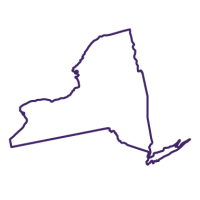
California and New York have enacted statutes expanding state labor board authority into areas traditionally governed exclusively by the NLRB. Massachusetts is considering similar legislation. However, such legislation creates parallel regulatory frameworks covering private-sector labor relations, an area historically preempted under the NLRA and the U.S. Constitution’s Supremacy Clause.
The NLRB warns that such state laws risk conflicting rulings, employer uncertainty and a fragmented national labor policy. Here are highlights of key state efforts that employers should know as 2026 begins:



Workplace Safety, Environmental +
Industry-Specific Risks
Increased OSHA and State Mandates + the Impact of Other Business Challenges
From workplace violence and evolving heat illness concerns to the impact of transformational technologies and tariffs, employers in 2026 will be confronted with a range of regulatory concerns and compliance challenges.
Workplace Violence
States are increasingly mandating industry-specific workplace violence prevention requirements.


Heat Injury and Illness Prevention
This area continues to develop, with new regulations continuing to take shape.
- OSHA’s proposed federal heat standard is pending, following rulemaking and comment.
- OSHA’s National Emphasis Program on outdoor and indoor workplace heat-related hazards was extended into April 2026.
- Employers should be aware of state requirements and continue to monitor developments.
- Common obligations include both indoor and outdoor protections, monitoring environmental conditions, risk assessments, rest breaks, shade and cool drinking water, training, and acclimatization plans.
Tariffs + AI: Industry Affects
Employers in many industries are seeing substantial shifts to their operations from outside and within their organizations. Tariff-driven cost volatility and supply chain disruption are leading employers to reevaluate staffing, scheduling and operational models — adjustments that carry significant labor and employment implications, including WARN Act exposure, wage and hour risks, scheduling compliance challenges and heightened union activity. At the same time, AI implementation is reshaping job duties; altering hiring, scheduling and performance management practices; and introducing significant compliance risks related to discrimination, privacy, surveillance, and job restructuring.
Significant Tariff Impacts: Industries
Significant AI Impacts: Industries
Related Content


© Jackson Lewis P.C. This material is provided for informational purposes only. It is not intended to constitute legal advice nor does it create a client-lawyer relationship between Jackson Lewis and any recipient. Recipients should consult with counsel before taking any actions based on the information contained within this material. This material may be considered attorney advertising in some jurisdictions. Prior results do not guarantee a similar outcome.
Focused on employment and labor law since 1958, Jackson Lewis P.C.’s 1,100+ attorneys located in major cities nationwide consistently identify and respond to new ways workplace law intersects business. We help employers develop proactive strategies, strong policies and business-oriented solutions to cultivate high-functioning workforces that are engaged and stable, and share our clients’ goals to emphasize belonging and respect for the contributions of every employee. For more information, visit https://www.jacksonlewis.com.